
Sinhagad Fort – The Lion’s Fort
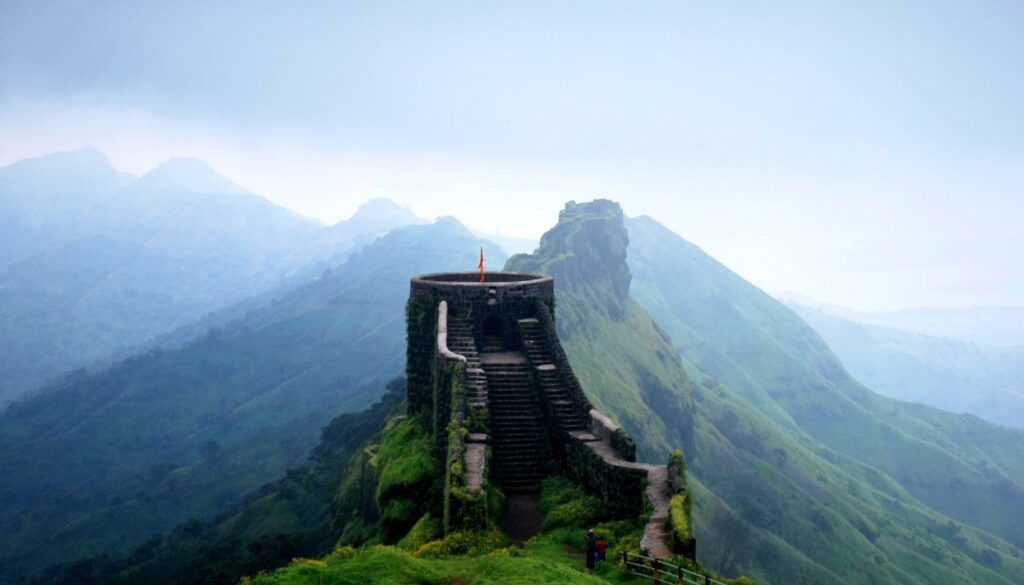
Perched majestically atop the Sahyadri Mountains, around 35 kilometers southwest of Pune, Sinhagad Fort stands as a timeless sentinel of Maharashtra’s glorious past. Once known as Kondhana, this historic hill fort is renowned for its heroic legacy, strategic importance, and breathtaking natural beauty. It witnessed one of the most legendary battles in Indian history—the Battle of Sinhagad (1670)—where courage, sacrifice, and strategy led to an unforgettable Maratha victory.
Today, Sinhagad Fort is a favorite destination for trekkers, history enthusiasts, and nature lovers, offering a perfect blend of adventure and heritage. Whether you’re seeking panoramic views, thrilling trekking trails, or a deep dive into Maharashtra’s history, Sinhagad promises an experience that leaves a lasting impression.
History
Sinhagad Fort boasts a history spanning over 2,000 years, having been ruled by several dynasties before becoming a cornerstone of Maratha power. Its most celebrated chapter unfolded in 1670, when Chhatrapati Shivaji Maharaj planned a daring mission to recapture the fort from the Mughals.
The operation was led by the fearless Tanaji Malusare, who, along with his brave warriors, scaled the steep cliffs under the cover of night. Despite his valiant efforts, Tanaji was mortally wounded during the battle. Upon hearing of his sacrifice, Shivaji Maharaj is said to have uttered the immortal words:
“Gad ala, pan Sinha gela”
(The fort is won, but the lion is lost.)
In honor of Tanaji’s bravery, Kondhana was renamed Sinhagad, meaning “The Lion’s Fort.”
Architecture
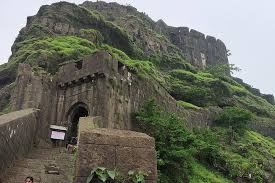
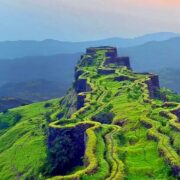
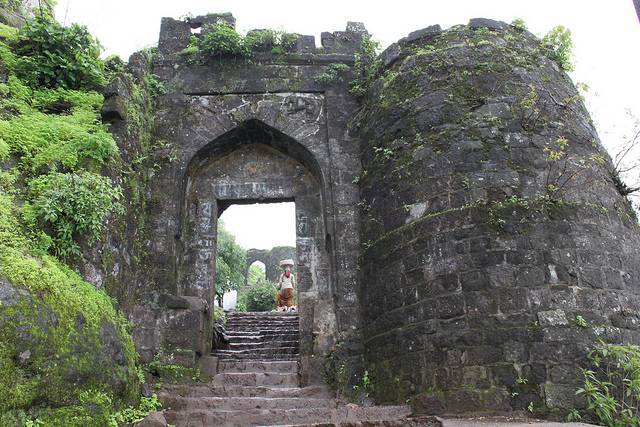
Rising to an elevation of 1,312 meters above sea level, Sinhagad Fort exemplifies exceptional military planning and architectural brilliance. Its massive stone walls, bastions, and strategic positioning provided a formidable defense against enemy attacks while offering commanding views of the Sahyadri ranges.
The fort features two main entrances:
- Pune Darwaza, facing Pune
- Kalyan Darwaza, opening towards the Konkan region
Both gateways showcase robust stonework designed to control access and enhance security.
One of the fort’s most impressive features is its advanced water management system, including ancient rainwater harvesting structures and natural reservoirs that ensured a reliable water supply. Remains of military barracks, storehouses, and defensive structures offer a glimpse into the lives of the warriors who once guarded this stronghold. Every corner of Sinhagad echoes stories of valor and resilience.
Experience for Visitors
Sinhagad Fort is as much about experience as it is about history. Trekkers can choose from multiple routes, each offering a unique adventure.
- Sinhagad Village Route: A moderately challenging 2.7 km trek, taking about 1.5 to 2 hours, suitable for most trekkers.
- Kalyan Darwaza Route: Steeper and more adventurous, rewarding trekkers with stunning panoramic views.
For those who prefer a relaxed visit, a motorable road leads to the top, making the fort accessible to families and senior visitors.
Exploring Sinhagad feels like stepping back in time. From the heroic legacy of Tanaji Malusare to the serene ancient temples and the historic Lokmanya Tilak Bungalow, the fort narrates powerful stories at every turn. The cool mountain breeze, rugged stone pathways, and sweeping valley views create an unforgettable atmosphere.
Local Food Experience
No visit to Sinhagad is complete without tasting its famous local cuisine. Small roadside eateries, or tapris, serve authentic Maharashtrian dishes:
- Pithla-Bhakri
- Zunka Bhakar
- Crispy Kanda Bhaji
- Refreshing Taak (Buttermilk)
These simple yet flavorful meals add a delightful culinary touch to the adventure.
Best Time to Visit
Sinhagad Fort is a year-round destination, with each season offering a unique charm.
- Monsoon (June–September): Lush greenery, flowing waterfalls, and mist-covered trails create a magical setting. Trek with caution, as paths can be slippery.
- Winter (October–February): The best time to visit, with cool weather, clear skies, and ideal trekking conditions.
- Summer (March–May): Best explored early morning or late evening to avoid heat. Sunrise and sunset views are especially stunning.
No matter the season, Sinhagad never fails to impress.
How to Reach
Sinhagad Fort is easily accessible from Pune.
- By Road: Around 1.5 hours from Pune. Regular buses from Swargate Bus Stand go to the fort’s base. From there, visitors can trek or take a shared jeep to the top.
- By Train: Pune Junction is the nearest railway station (35 km). Taxis and buses are easily available.
- By Air: Pune International Airport (45 km) is the nearest airport, with taxis and buses connecting to the fort.
The journey itself offers scenic views of the Western Ghats, adding to the excitement.
Nearby Places to Explore
- Khadakwasla Dam (15 km) – A peaceful lakeside retreat, perfect for sunsets
- Panshet Dam (25 km) – Ideal for boating and water sports
- Rajgad Fort (30 km) – The first capital of the Maratha Empire
- Lavasa (50 km) – A scenic hill town with European-style architecture
- Pune City (35 km) – Explore Shaniwar Wada, Aga Khan Palace, and vibrant local markets
Why You Must Visit Sinhagad Fort
Sinhagad Fort is more than a tourist destination—it is an emotion, a tale of courage, and a proud symbol of Maharashtra’s heritage. Whether you’re a history lover, adventure seeker, or nature enthusiast, Sinhagad offers something truly special.
Walk through legendary battlefields, admire breathtaking landscapes, savor local flavors, and relive the spirit of Maratha valor.
So pack your bags, lace up your trekking shoes, and get ready to conquer Sinhagad—the Lion’s Fort!